Discovering Apulia while riding a bike among ancient seaside villages, rural landscapes, cities of art, and natural parks is an unforgettable experience. In fact, the pace of cycling allows for intimate discovery of the numerous nuances of this region and its beauty.
There are more than dozens of paths to follow, either along the coastline or among the marvels of the inland. In Murgia, for example, you can cycle along rural trails up to Castel del Monte, a designated UNESCO site since 1996 with a distinct shape.
History enthusiasts can cycle along Via Traiana, an Ancient Roman road, to discover the Archaeological Park of Egnazia near Fasano. Further south, hidden between olive groves is the regional park Parco delle Dune Costiere, a unique area with its natural beauty and known for its beachfront dunes.
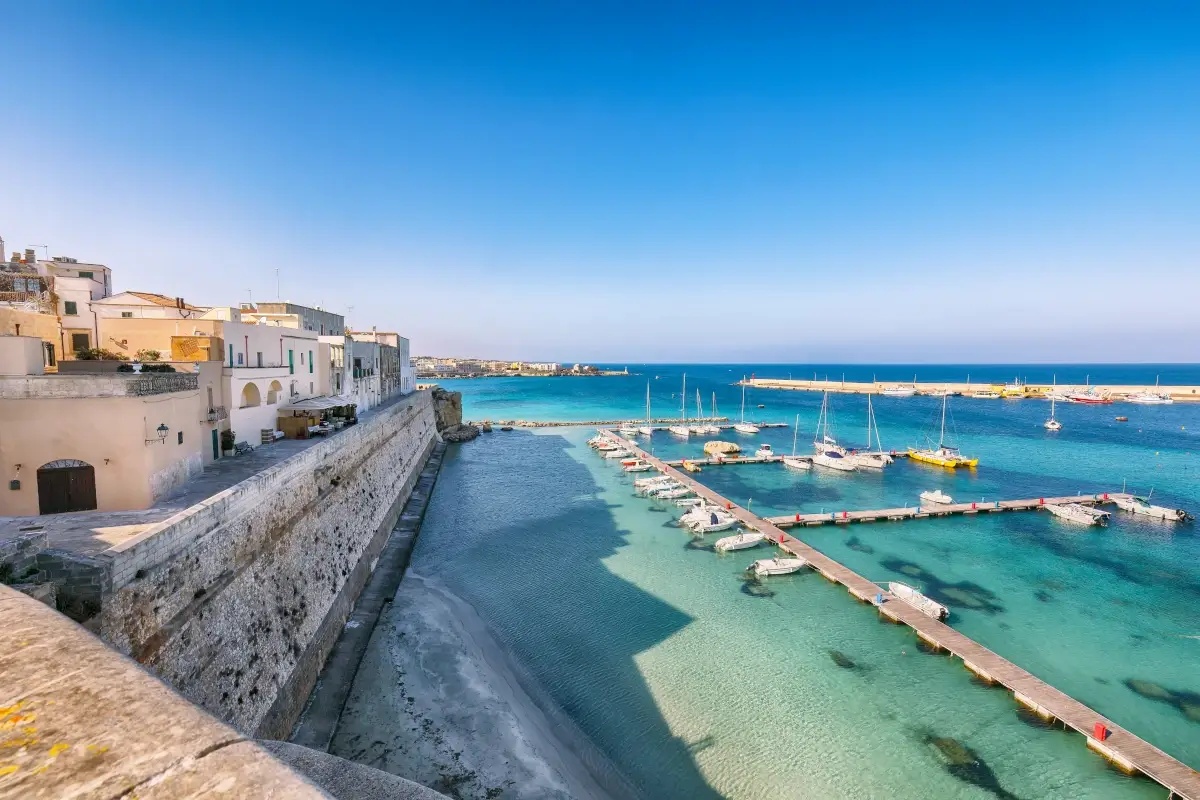
Via dei Castelli, in Salento, is another amazing cycling route that allows for discovery of the ancient flavors of the area. Via del Mare, also a favorite route for cycling, spans to Otranto and Punta Palascia, the easternmost point of Italy.
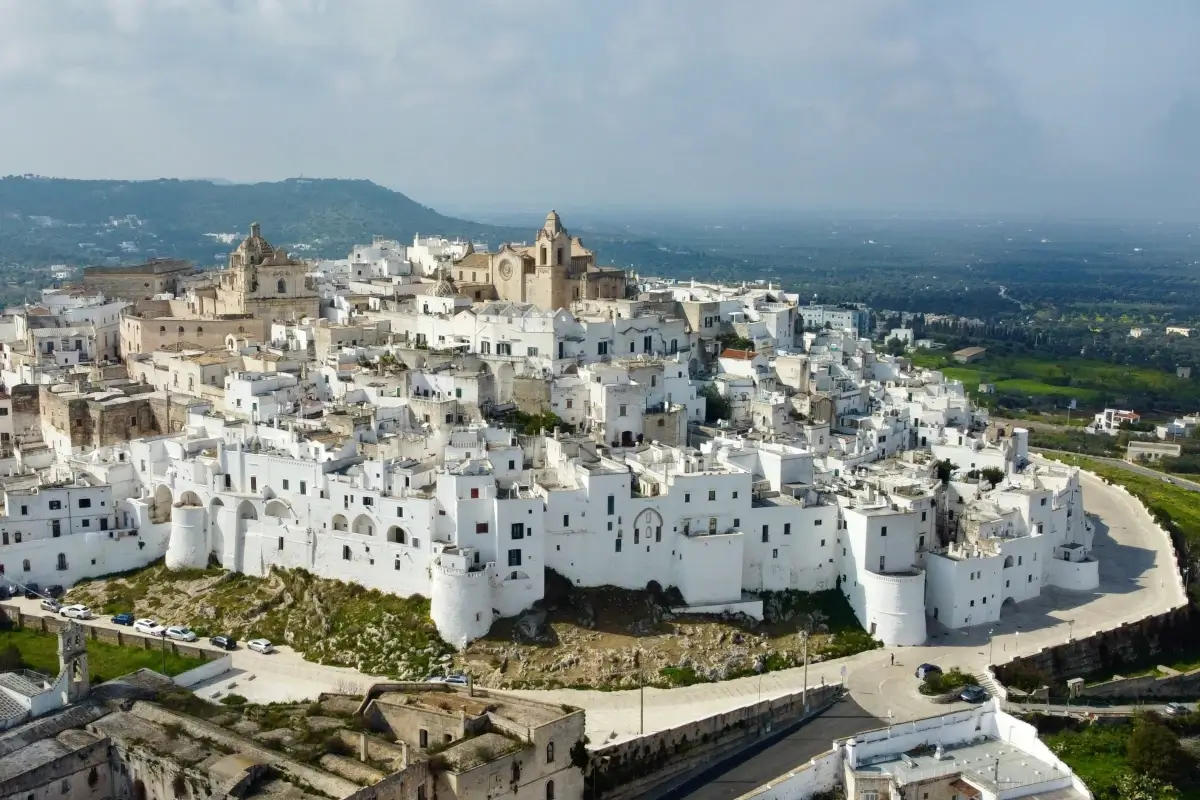
The Itria Valley is among the most peculiar areas in Apulia and is rich in traditions. Discovering it by bike is interesting and fulfilling. A ride here winds through an area that boasts unique natural and architectural marvels, among which the most impressive are the Trulli, which are white, conical-shaped huts, and the expansive olive trees. A few towns to discover along the way are Alberobello, Cisternino and Locorotondo.
Ciclovia dell’acquedotto Pugliese is a famous hiking and cycling route of about 310 miles that stretches along two historic aqueducts. The route crosses three regions, Apulia, Campania and Basilicata, connecting some interesting sites of all three areas.
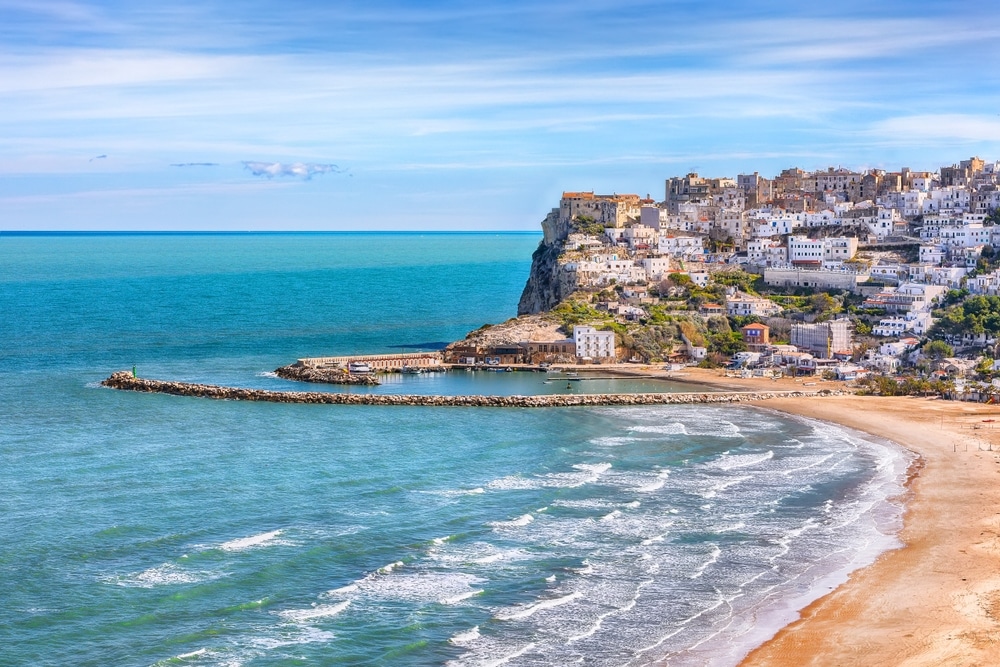
The province of Foggia is another part of Apulia that can be explored by bike. This province holds some of the main attractions of the region, including the Dauni Mountains and the National Park of Gargano, which boasts an amazing coastline and stunning forests.
A great route in the region starts at the Adventure Park Pila Sant’Onofrio in Pietramontecorvino and ends in Biccari, at Adventure Park Lago Pescara. Both adventure parks represent a true attraction for grownups and children alike, while the beauty of the Dauni Mountains will certainly impress.
Salento is a famous summer destination, yet this territory is also noteworthy during fall or spring. The best way to explore this territory by bike is riding between villages along the breathtaking coastline, especially between Otranto and Santa Maria di Leuca.
If you want to admire most of Apulia’s marvels by bike, maybe the best thing to do is to ride along Ciclovia Adriatica, a cycling route that spans from Santa Maria di Leuca all the way to Trieste, in Friuli Venezia Giulia, a northern region of Italy. In Apulia alone, the route counts over 310 miles and passes through landscapes that offer valuable insight into the uniqueness of this region.