Located in Northwest Italy, Lombardy is one of Italy’s twenty distinct regions. Home to such provinces as Bergamo, Brescia, Lake Como, Cremona, Lecco, Lodi, Mantova, Pavia, Sondrio, Varese, and Milano – the region’s capital – Lombardy is the most populous and wealthiest region of Italy. Nearly 10 million people (one-sixthof Italy’s entire population) call Lombardy home and it is considered one of Europe’s richest areas. Covering over 9,000 square miles, Lombardy is Italy’s fourth largest region, producing nearly a fifth of the country’s gross domestic product and providing a wealth of locales and activities for travelers to enjoy.
The region of Lombardy features eleven UNESCO World Heritage Sites, including the infamous “The Last Supper” in Milan, the historic industrial village of Crespi d’Addain Bergamo, the city of Cremona – known for its traditional violin craftsmanship, and the cities of Mantova and Sabbioneta – celebrated for their representation of Renaissance town planning.
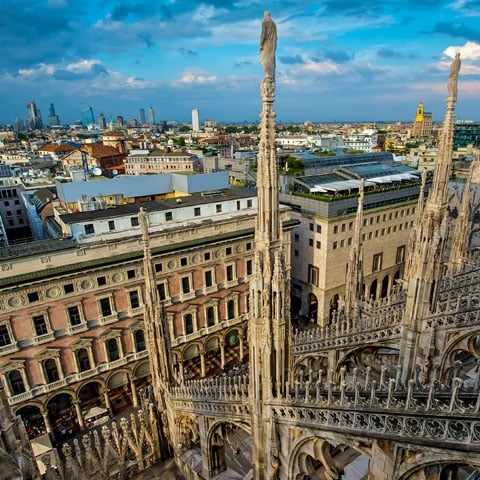
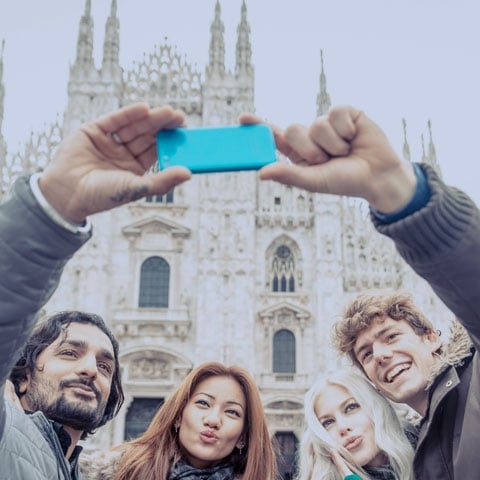
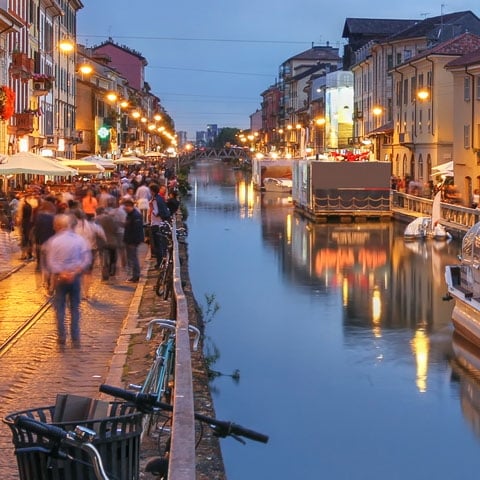
In addition, Lombardy is home to Milan – the second largest city in the country and Italy’s largest metropolitan area. Widely acknowledged as the fashion capital of the world, Milan is a bustling mecca which fuses quintessential Italian history with the fast-paced sensibilities of modern life.
From exploring the legendary Lake District to skiing the Italian Alps to shopping the boutiques of Milan’s fashion district, there is so much to see and do in Lombardy. The region’s many facets make it one of the most ideal locations to experience in Italy, as it allows travelers to experience a wide variety of sides of Italy’s history and culture.
GEOGRAPHY & CLIMATE
Lombardy is bordered by Switzerland to the North, Piedmont to the West, Emilia Romagna to the South, and Veneto and Trentino Alto Adige to the East. It’s 9,000 square miles are categorized into three natural zones, including mountains, hills, and plains (both high and low).
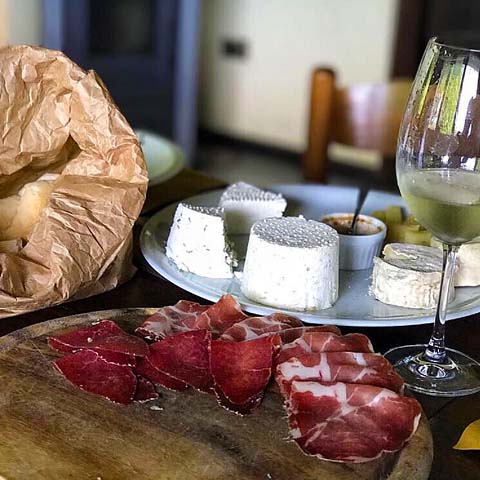
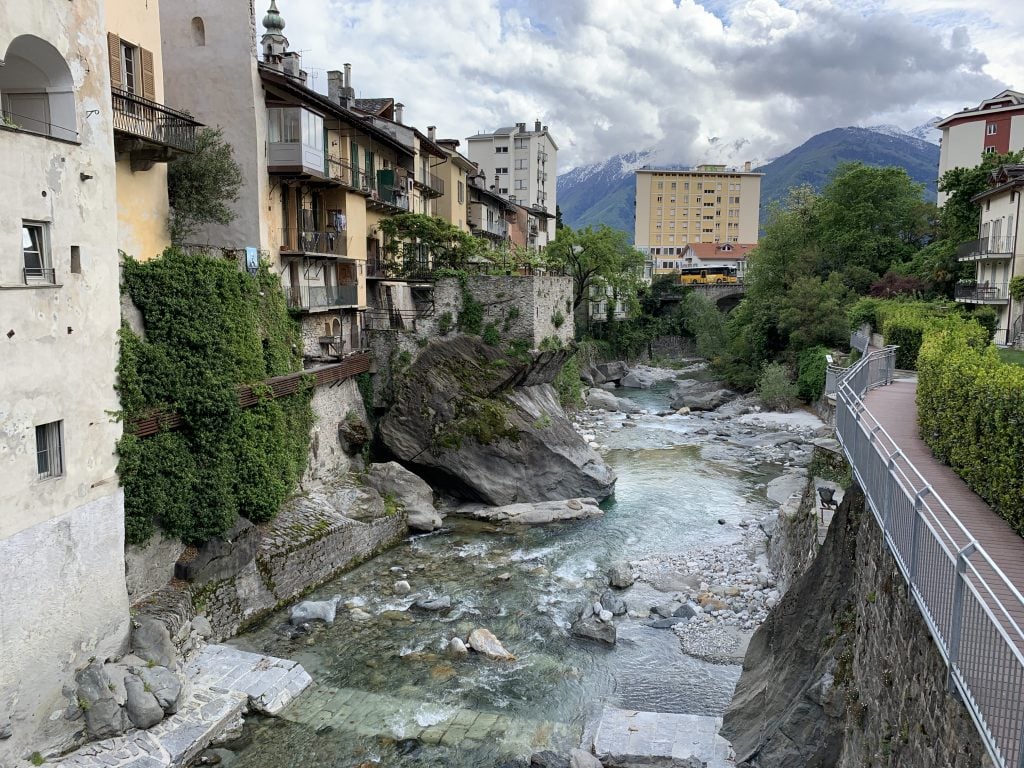
In terms of mountainous geography, about 40% of Lombardy’s land is comprised by a portion of the Italian Alps. The most significant mountain peak of these mountains is the Bernina massif, which towers at 4050 meters above sea level. Because of the vast mountains, there are a variety of valleys in which residents live in tandem with nature. Areas such as Valtellina, the Val Chiavenna, and the Val Camonica are home to stunning natural views, unique cuisine influenced by local produce, and friendly residents who are happy to share their cities with travelers from around the world. Much of the remaining land in Lombardy are plains, including one of the biggest plains in Italy – the Pianura Padana – which covers a very large part of the region’s Southern land.
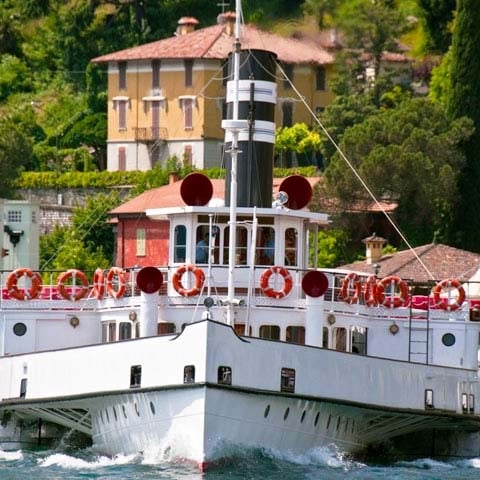
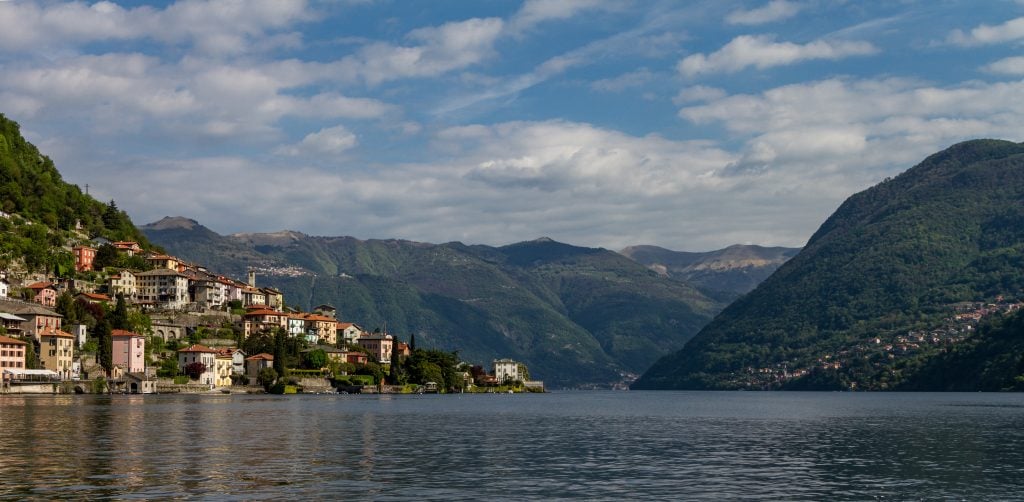
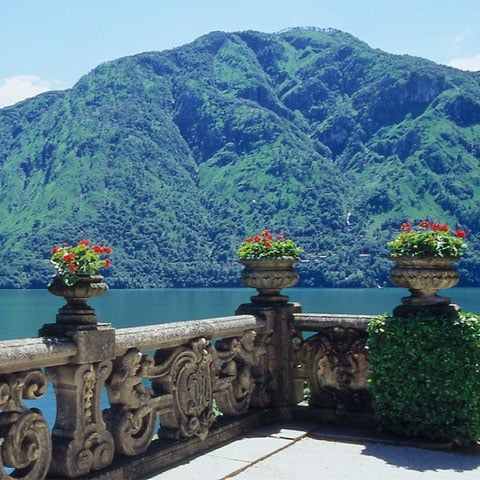
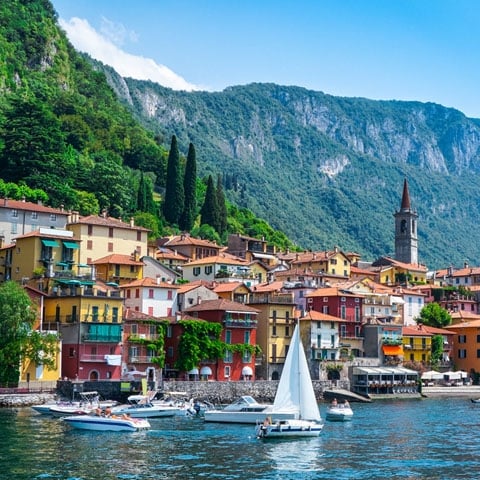
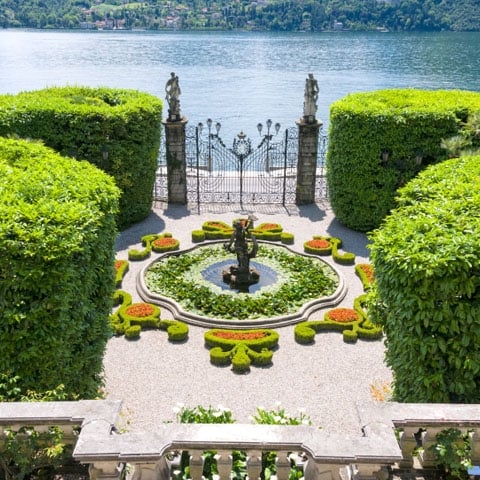
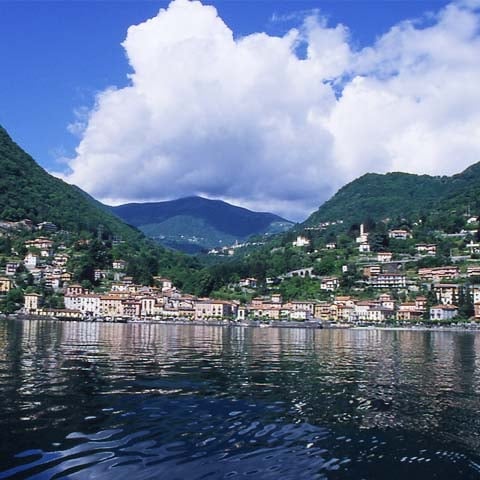
In addition to land, Lombardy’s geography makes a huge impact in terms of water. Considered the lake region of Italy, Lombardy features the most gorgeous and popular lakes in the country. Lake Como is one of kind with its characteristic villas, while Lake Garda is home to the beautiful resort town of Sirmione, and Lake Maggiore is perfect for enjoying all the wonders of lakeside nature. For a more secluded lake experience, travel to Lombardy’s smaller lakes such as Varese and Iseo.
Lombardy is also home to important rivers, including Italy’s longest and most important River – the Po – as well as historic rivers such as Adda, Oglio, Lambro, and Mincio.
The climate of the region varies due to its various levels of elevation and proximity to geographical factors such as water and mountains. However, generally,Lombardy’s climate is considered subcontinental. Summers are typically humid and warm, while Winters can be extremely cold. In the Northern part of the region, Winter and Fall can be especially Alpine, featuring low temperatures and snowfall.
WHEN IN LOMBARDY
While traveling to Lombardy, there are a wide variety of activities and unique experiences to be had.
One of the most unique parts of the region to visit is the Lake District. Along with panoramic natural views, hiking, and water activities, travelers can enjoy the small, lakeside towns’ cultural traditions, unique village architecture, and one of a kind cuisine, which is often made from locally caught fish.
Milan – the fashion capital of the world – is the ideal place in Lombardy to shop and explore designer boutiques, unique local stores, and craftsman shops. Within the city’s vivid shopping district, which is marked by four iconic streets - Via Monte Napoleone, Via Manzoni, Via dellaSpiga, and Corso Venezia – one will find everything from the most ornate designer displays to the most charming fashion boutiques.
In the mountainous area of Lombardy – the Alps – travelers can enjoy top of the line skiing on thousands of miles of prime slopes. Whether an amateur or a seasoned skier, areas such as Bormio, Livigno, Tonale, and Madesimo are ideal for experiencing amazing snow sports while being surrounded by incredible views, fascinating local culture, and luxurious amenities.
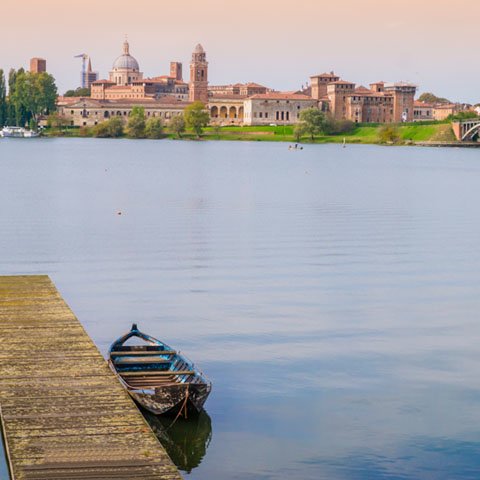
In addition, visitors to Lombardy are promised all the incredible architecture, history, and traditions that Italy is known for. Some of Lombardy’s most fascinating cities – including Bergamo, Mantua, Pavia, and Cremona – feature unique cuisine, historic locales, stunning works of art, and more.
Whether one is hoping for a historic, cultural tour of Italy, an active sporting vacation, or an adventure through one of Italy’s best modern cities, Lombardy is waiting.
Travel Guides
[wudrelated include="1837"]
About Lombardy
[wudrelated include="2510"]
[wudrelated include="184"]